
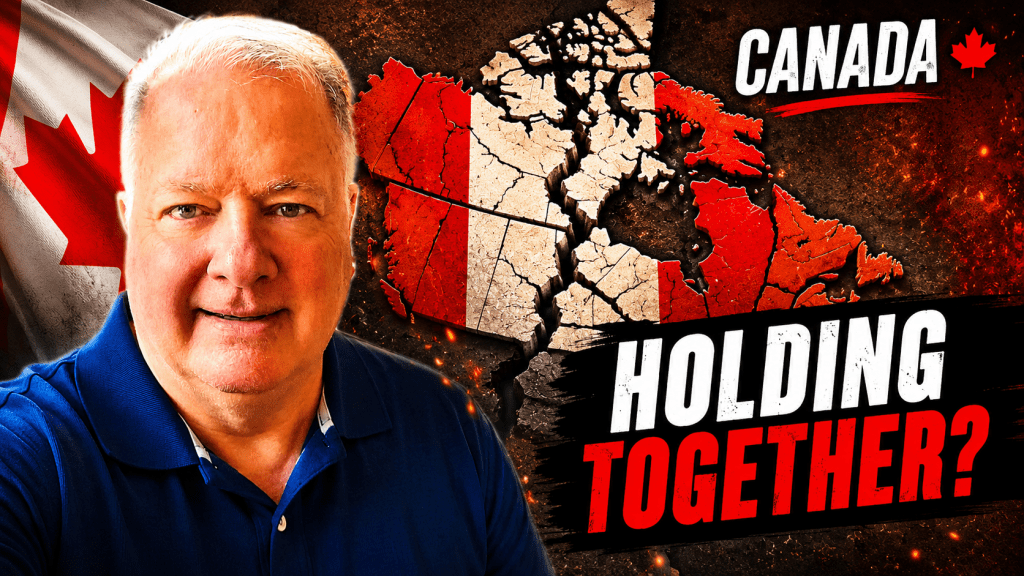
Could Canada Ever Break Apart?
Canada is not on the edge of breaking apart. Not today. Not based on the numbers currently available.
Alberta separatism is real enough to discuss, but not strong enough to assume it is about to happen. Quebec sovereignty remains alive as a political idea, but current polling still shows most Quebecers oppose leaving Canada. In both provinces, separation is more of a pressure point than a probable outcome.
Even if Alberta or Quebec voted to leave, they could not simply walk out the door. The Supreme Court of Canada has already made clear that no province has a unilateral legal right to secede. A clear vote on a clear question would trigger a duty to negotiate. It would not automatically create a new country. The federal Clarity Act also gives Parliament a role in deciding whether the question and majority are clear enough to begin negotiations.
If Alberta left, the consequences would be massive.
Alberta would have to negotiate defence, borders, passports, citizenship, currency, federal debt, Indigenous treaties, national parks, pipelines, railways, highways, airports, trade, pensions, taxation, policing, immigration, and international recognition. It would also need to replace federal services it currently benefits from, including military protection, border services, federal policing support, consular services, national security, transportation regulation, and federal health transfers.
Healthcare would not disappear, but Alberta would have to fund more of it directly or create new agreements. Roads and railways would still exist, of course, but they would become international infrastructure. The Trans-Canada Highway and rail corridors could become subject to customs, transport rules, inspection regimes, and border enforcement. There might not be dramatic border booths on every rural road, but some form of border control would be unavoidable if Alberta became a separate country.
The biggest issue may be Indigenous treaty rights. Treaties were made with the Crown, not simply with the Province of Alberta. First Nations have already challenged the referendum process, arguing that Alberta cannot separate in a way that overrides treaty rights. That could become one of the most serious legal barriers to any separation effort.
Would Canada survive if one province left? Probably, yes. Canada would be shaken, poorer in some ways, and politically wounded. But a Soviet-style collapse into many smaller countries is unlikely. Canada has strong institutions, a long constitutional framework, and no current polling evidence that most provinces want to leave.
Would Alberta or Quebec join the United States? Extremely unlikely. A province would first have to leave Canada, then negotiate entry into the U.S., and the United States would have to agree. That is not a simple option. It would be a geopolitical earthquake.
So, is this really an issue? Yes, but not because Alberta is likely to become independent next year. It is an issue because separatist politics can damage national trust, scare investment, divide families and communities, inflame regional resentment, and turn legitimate grievances into an all-or-nothing constitutional fight.
My honest read: Alberta separation is currently a warning light, not a fire. It tells us western alienation is still real. It tells us many Albertans feel ignored by Ottawa. It tells us federalism needs attention. But based on the most current numbers I found, it does not tell us Canada is about to break apart.
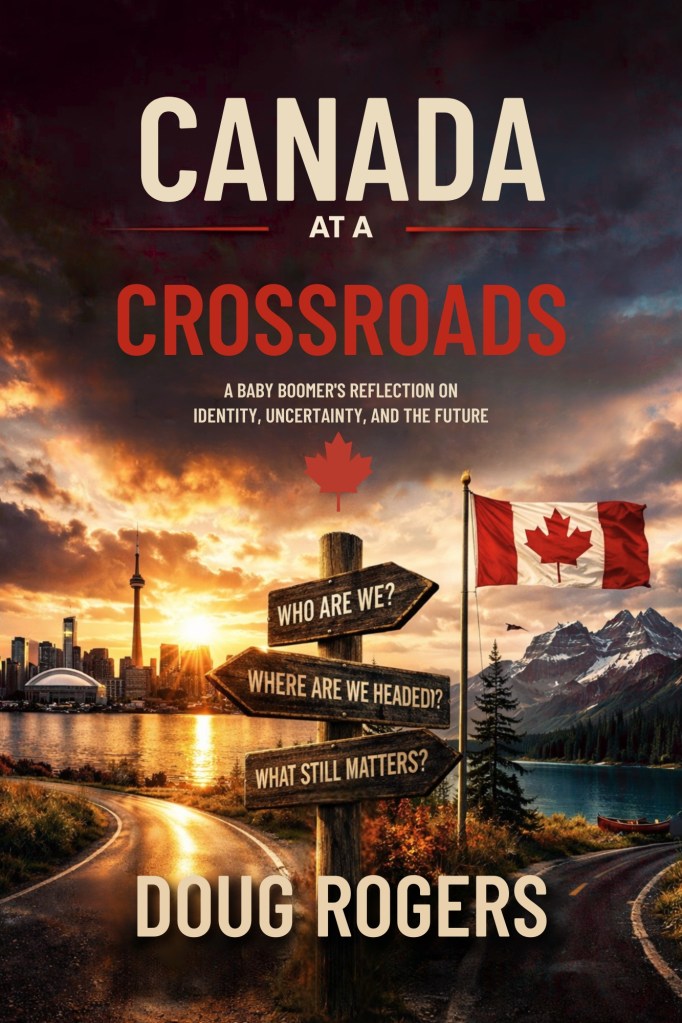
For more about my thoughts on CANADA at a CROSSROADS, be sure and check out my book on the subject here or click on the book cover below to buy the book.


Leave a Reply